Brittle Burial
Building on top of the dead

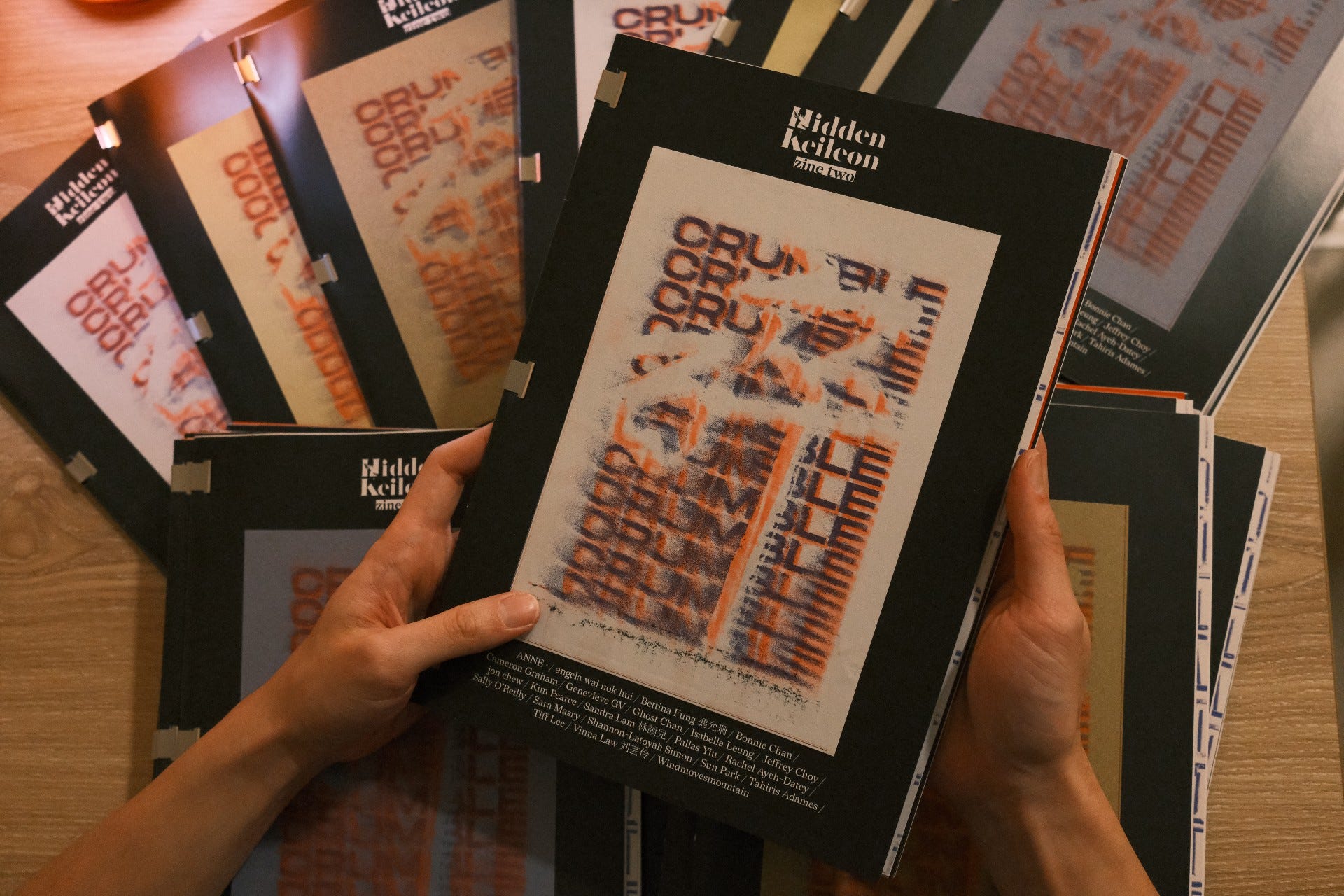
Originally published 21st Dec, 2025 for Crumble, the 2nd instalment of Hidden Keileon’s zine series
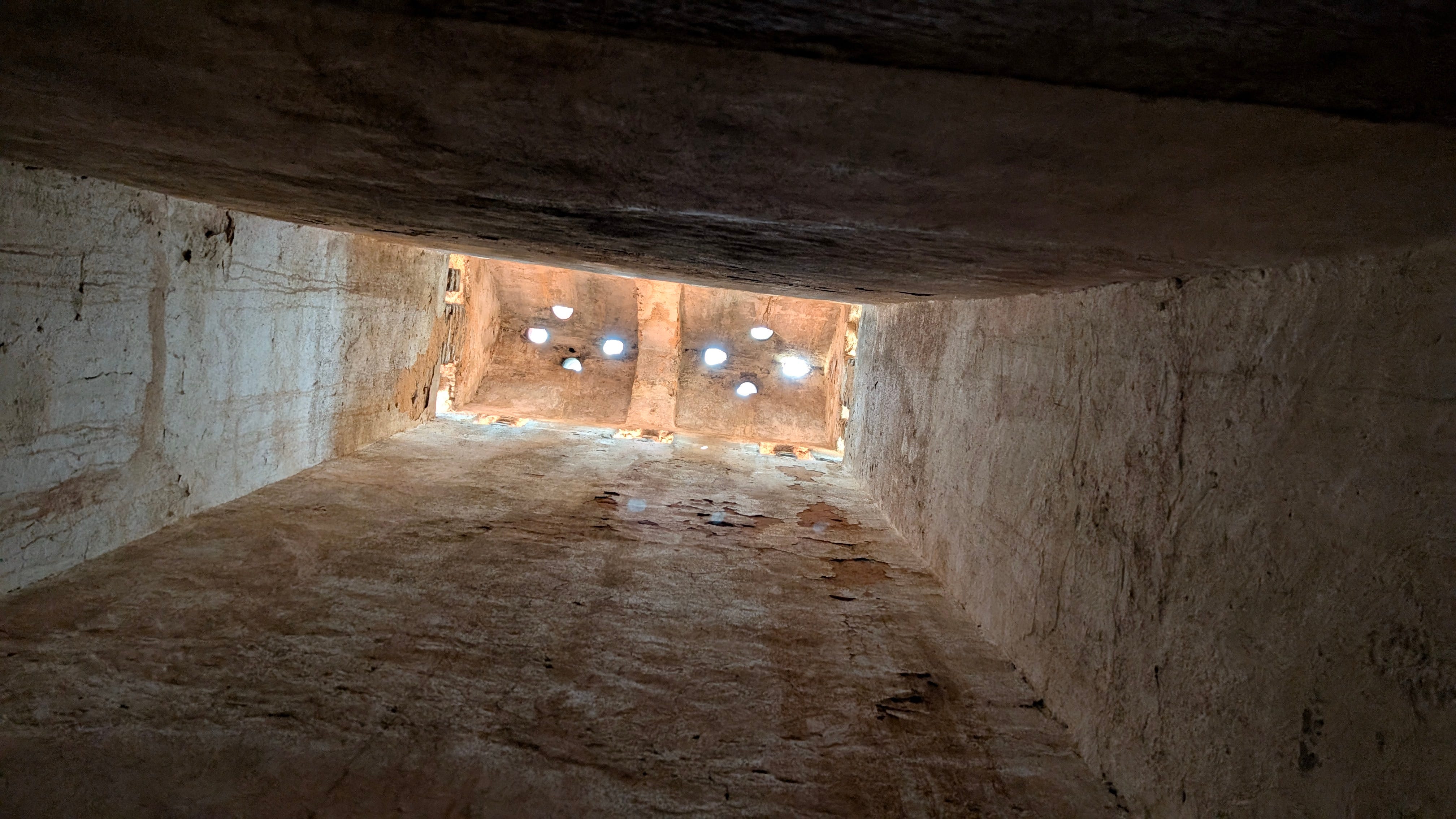
In June 2025, I travelled to Studio 459, a lived-in artist residency in the middle of Tomar, Portugal, surrounded by rural quietness where I stayed for two weeks. As this was my first time travelling to Portugal, I was very fortunate to be welcomed by the host Mark Richard, a life-long artist and cultural worker, and his husband João Gravanita, a historian and chef, who shared much of my enthusiasm in all things nerdy, like Star Wars, Lord of the Rings, and video games. João was usually the tour guide when we were exploring Tomar, and it was great to have a historian to share the history of his country.
Tomar is definitely not a go-to destination for most tourists; it’s about two and a half hours by train from Lisbon, and its biggest interest is its past as the headquarters of the Knights Templar in the 12th Century. When the crusade failed and the Order was dissolved, the Templars became the Order of Christ, continuing to operate in Tomar for generations. There is a cave within the foundations of the castle, the site of a Templar initiation ritual. To be reborn into the Order, initiates had to climb out of a cave shaped like a vagina.
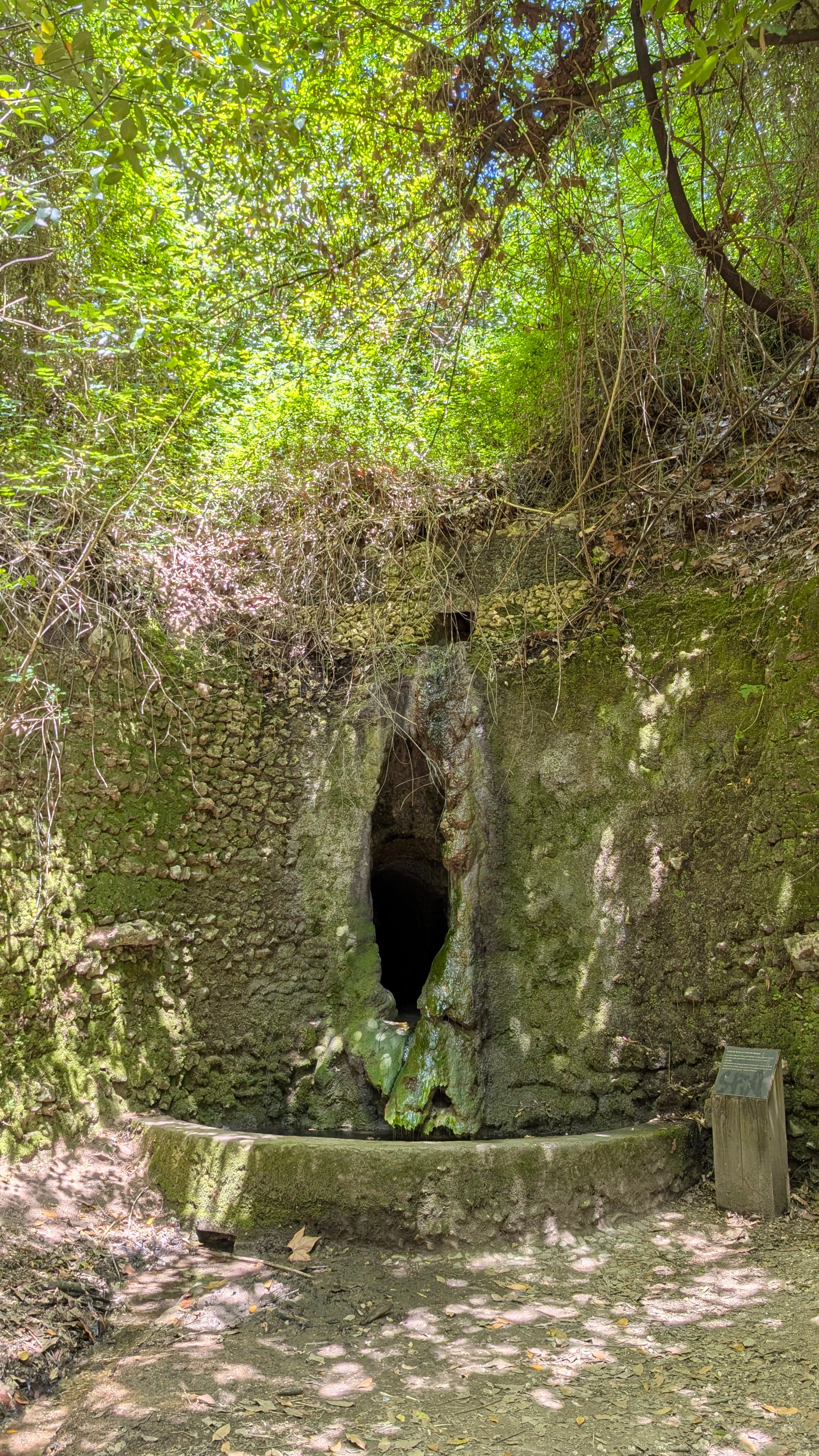
But the Templars did not create this town. They built it on top of the Roman city of Sellium, about which little is known. A ghost city hardened into bedrock.
I learnt about the 1755 Lisbon earthquake, also known as the Great Lisbon earthquake. The earthquake remains the most destructive in European history. It was the reason why southern Portugal, unlike many other European countries, does not have buildings older than 500 years - the shaking, the tsunami, and the fire had levelled the city. Everything needed to be rebuilt. It took time, but we can hardly see the scars it left if we’re not told.
During my stay in Portugal, I experienced the tiniest tremor on my third night, the night after we had talked about the Lisbon earthquake. I was told it was a good sign - that means the earth is releasing pressure. It’s only when you don’t experience any tremors for years that you’d have to worry about the big one.
I was in bed when the tremor went off. It came as a low hum, Mother Earth’s little snore. I fell asleep soon after, knowing the tension in the earth was gone.
On March 11, 2011, the Tōhoku earthquake, one of the most powerful ever recorded in the past 100 years, violently shook the Tōhoku region and brought with it a tsunami, a mass of ocean that swallowed cities whole. Finally, the tsunami caused the meltdown at the Fukushima Daiichi Nuclear Power Plant. It was a singular event composed of three catastrophes, each triggering the next, in a terrifying demonstration of how the complex world we have built can be shattered by a power we foolishly believe we have tamed.
After the Tōhoku earthquake, video game designer and writer Hideo Kojima, in his book The Creative Gene, wrote about the unnerving parallels between the cascading disaster and the apocalyptic fiction he was raised on. Kojima wrote about Sakyo Komatsu’s 1964 novel, Virus. In the novel, a man-made plague wipes out humanity. Just as the few survivors begin to contemplate a new world, an earthquake triggers the automated nuclear weapons of the old one, initiating a posthumous global war. Komatsu was a child of a fallen empire. He saw the flag of imperial Japan lowered and the ideals of a generation turn to ash. Maybe it was resentment that drove him to picture the never-ending chaos that humans have to endure, or maybe it’s hope calling for readers to see the global struggle we must face as humanity.
When COVID-19 swept across the UK, I listened to parents around me who were fraught with worry about their children’s isolation. I shared my firsthand experience. In 2003, I was in primary school when SARS hit Hong Kong. Schools were closed indefinitely, and homework was mailed to us. When we got back to school, the smell of bleach was everywhere. We lined up for temperature checks, a thermometer gun pointed at our foreheads, and were given alcohol hand sanitiser every morning before prayers. Our faces disappeared behind pale blue masks. I was too young to grasp the epidemiology, but I was old enough to see the fear in the adults’ eyes. They were trying so, so hard to maintain normality.
We live on a surface that can break. It has been broken over and over and over again. Human lives are buried in the ground, and generations to come will eventually build on top of them. In Kaifeng, a city in China whose name (開封) literally means “to excavate, to open,” archaeologists have found no less than six distinct historical capitals layered one atop the other, tracing back through dynasties – 宋 Song, 唐 Tang, 漢 Han, 魏 Wei, and further still, into the mists of warring states and foundational myths. Each layer was a scar left by flood and flame, by conquest and renewal, by humanity’s stubborn insistence on rebuilding, on reimposing dreams upon the same scars, or sometimes merely a convenient patch of earth.
There is an anthropological thrill in sifting through the remains of a dead world. We can walk through the ruins of Babylon or the buried layers of Rome under London with a sense of detached wonder, from a position of safety. But there is an unbridgeable gap between the archaeologist who discovers a ruin and the person who was buried inside it. A fascinating story versus the suffocating end of everything.
We can’t look at the inhabitants of a cursed city and imagine we could outlive inevitable doom, if only we stuck to normality enough. We stand on the rubble of worlds and flatter ourselves with the thought that we would never make their mistakes. There lies the most fragile structure of all.
This text is 1 of 22 works in the independent zine Crumble.
Crumble is the 2nd zine by Hidden Keileon, available to order here.